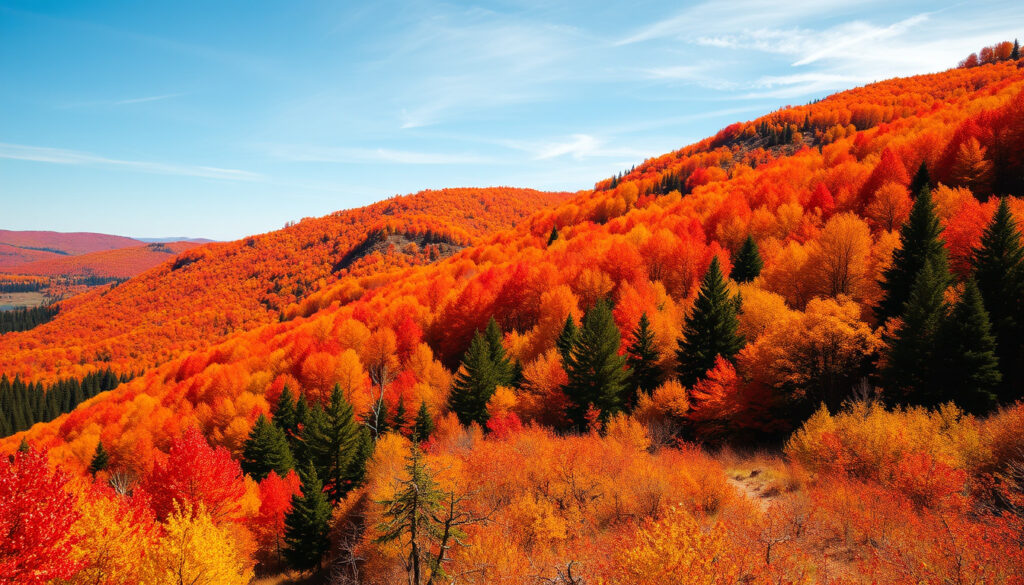
Best Places to See Fall Foliage – 2025 Peak Times Across US
Autumn transforms forests across the United States into vivid tapestries of gold, crimson, and amber. Millions of travelers annually chase these fleeting seasonal displays, making fall foliage one of the most sought-after travel experiences in North America. Peak color timing varies dramatically across regions, elevations, and weather patterns, creating a rolling wave of autumn beauty that progresses from north to south over several weeks.
The 2025 fall season has presented unique challenges in some areas, including drought conditions that accelerated peak times in northern New England states. Despite these variations, numerous destinations across the country offer exceptional leaf-peeping opportunities. Understanding regional timing, elevation effects, and local weather patterns helps travelers plan successful autumn adventures.
Where Are the Best Places to See Fall Foliage in the US?
Several regions consistently deliver outstanding autumn displays, from coastal Maine to the mountain ranges of the West. These destinations offer diverse terrain, scenic drives, and extended seasons that accommodate various travel schedules.
Vermont, New Hampshire, Maine
Mid-September to early October
Virginia, Pennsylvania, New Jersey
Late October to early November
Michigan Upper Peninsula, Wisconsin
Late September to late October
North Carolina, Tennessee, West Virginia
Early October to mid-November
Key Insights for Fall Foliage Viewing
- Elevation drives timing—higher elevations peak first, with mountain passes often showing color two to three weeks ahead of valleys
- Cool nights combined with dry weather accelerate color development, while warm temperatures delay peak conditions
- The Great Lakes create a moderating lake effect that extends the season in Michigan and Wisconsin coastal areas
- Back roads consistently provide superior viewing experiences compared to interstate highways
- Drought conditions in 2025 have shortened the peak season in some northern areas, making real-time monitoring essential
- October hosts approximately 80 percent of all fall foliage trips nationwide
- New England alone attracts roughly 10 million visitors annually during peak season
Regional Peak Times and Highlights
| Region/State | Peak Weeks 2025 | Iconic Spot | Color Intensity |
|---|---|---|---|
| Northern New England (Maine, Vermont, NH) | Mid-to-late September | Green Mountain National Forest | Exceptional |
| Southern New England | Early-to-late October | Berkshires, Connecticut River Valley | Strong |
| New York (Adirondacks) | Early-to-mid October | Lake Placid region | Strong |
| Pennsylvania | Late October | Pocono Mountains | Moderate to strong |
| Virginia | Late October | Blue Ridge Parkway, Shenandoah | Strong |
| North Carolina (mountains) | Early-to-mid October | Blue Ridge Parkway, Graveyard Fields | Exceptional |
| Tennessee (Smokies) | October | Clingmans Dome, Cades Cove | Exceptional |
| Michigan Upper Peninsula | Late September to late October | M-22 Highway, Mackinac Island | Strong |
| Colorado (Aspens) | Late September to early October | Maroon Bells, Trail Ridge Road | Exceptional |
| Oregon/Washington | Mid-October to early November | Columbia River Gorge | Strong |
Regional foliage reports update weekly throughout the season. Vermont’s current conditions showed the full state past peak by late September 2025 due to drought conditions. The Michigan Upper Peninsula continues weekly reports for unpeaked counties throughout October.
Best East Coast and New England Spots for Fall Colors
The Eastern United States hosts some of the most celebrated autumn destinations in the world. From Maine’s rocky coastline to Virginia’s mountain valleys, the region offers unmatched diversity in both scenery and color displays.
New England Destinations
Northern New England delivers the earliest and often most dramatic displays. Northern Maine, Vermont, and New Hampshire typically reach peak color between mid-September and early October. However, 2025 brought unusual conditions—flash droughts caused parts of Vermont and New Hampshire to peak earlier than historical averages.
The Maine coast, including Bar Harbor and Acadia National Park, offers a unique combination of maritime scenery and forested highlands. Further inland, the Green Mountain National Forest in Vermont and the White Mountains in New Hampshire provide extensive trail systems and scenic byways. Those planning longer stays might also want to explore the best fall road trips New England has to offer for comprehensive itinerary ideas.
Travelers should note that highland areas in Vermont, New Hampshire, and Maine show color first but also fade fastest. Once past peak, these higher elevations lose their brilliance while lower elevations and southern areas continue their season.
Mid-Atlantic and Virginia
The Mid-Atlantic region extends the season well into November. Coastal areas from New Jersey through Virginia typically peak between late October and early November. Virginia’s varied terrain creates an exceptionally long season—the Blue Ridge Mountains show color early in October while coastal regions continue through mid-November.
Shenandoah National Park in Virginia aligns with mid-Atlantic peak timing, offering accessible overlooks along Skyline Drive. The park’s elevation changes create staggered color displays that can last several weeks longer than lower-elevation destinations.
Popular destinations like Bar Harbor and Blue Ridge Parkway viewpoints fill quickly during peak weekends. Weekday visits and early morning arrivals significantly reduce competition for parking and viewpoints. Consider visiting after Columbus Day weekend when school groups decrease substantially.
When and Where Is Peak Fall Foliage?
Predicting peak foliage requires understanding the interplay between latitude, elevation, and weather patterns. The season moves in a predictable progression from north to south and high to low, but annual variations can shift timing by one to two weeks in either direction.
How Elevation Affects Timing
Higher elevations consistently show color before lower areas. This phenomenon is particularly dramatic in mountain regions like the Blue Ridge and Great Smoky Mountains. In North Carolina’s Blue Ridge Mountains, elevation-based peaks create a cascading display:
- Above 6,000 feet: September 25 to October 1
- 5,000 to 6,000 feet: October 1 to 9
- 4,000 to 5,000 feet: October 9 to 16
- 2,000 to 3,000 feet: October 16 to 23
- Below 2,000 feet: October 30 to November 6
This elevation-driven progression means travelers can experience fresh peak conditions simply by adjusting their altitude within the same region. A visit to Graveyard Fields on the Blue Ridge Parkway at higher elevation in late September offers colors equivalent to lower elevations in mid-October.
Weather Impacts on 2025 Season
Weather conditions preceding and during the autumn season significantly influence color intensity and timing. Cool nights (around 40°F) combined with sunny days produce the most vivid displays. Dry conditions generally advance peak timing, while warmth delays it.
In 2025, drought conditions affected northern New England most severely, causing early peak times and a compressed viewing window. Pennsylvania experienced delayed color change due to warm autumn temperatures, with recent cooling finally initiating the transition in late October.
This year’s unusual weather patterns have created significant timing variations across regions. Travelers should monitor weekly regional reports rather than relying on historical averages. Some northern areas peaked several weeks earlier than typical, while southern regions maintain near-normal schedules.
How to Plan Your Fall Foliage Road Trip
Successful fall foliage trips require advance planning, flexible scheduling, and realistic expectations. The most rewarding experiences often come from thoughtful destination selection rather than spontaneous travel.
Essential Tools and Resources
Interactive maps and predictive tools help travelers time their visits effectively. The explorefall.com website provides daily 2025 US forecasts with regional breakdowns. Blue Ridge Mountain Life offers elevation-based predictions specifically for the Blue Ridge Parkway and surrounding areas. For those interested in broader travel planning, our national parks autumn guide covers additional scenic destinations worth considering.
State forestry departments publish weekly updates throughout the season. The Virginia Department of Forestry, Michigan Upper Peninsula weekly reports, and Vermont’s current conditions page all offer real-time data essential for planning. These resources prove particularly valuable when unusual weather creates timing variations.
Scenic Drives and Road Trip Ideas
The Blue Ridge Parkway stretches 469 miles from Asheville, North Carolina, to Cherokee, North Carolina, offering one of the country’s most iconic fall drives. The parkway’s elevation changes create a natural progression of peak conditions—higher sections near the North Carolina-Virginia border peak earliest in early October, while lower northern sections reach their best later in the month.
Michigan’s M-22 Highway along Lake Michigan shores provides a different but equally compelling experience. The lake effect moderates temperatures and extends the season from late September through late October. Mackinac Island, accessible by ferry, offers spectacular ferry views of fall colors reflected in strait waters.
The Columbia River Highway in Oregon transitions from mid-October through early November, with options for steamboat cruises or scenic drives. Midwestern travelers might consider the Lake of the Ozarks in Missouri, with its 1,150-mile shoreline reaching peak conditions near the end of October.
Interstate highways provide efficient travel but rarely showcase foliage well. State highways, county roads, and designated scenic byways often traverse more forested areas and offer frequent pull-offs for photography and appreciation. Using back roads over interstates consistently produces superior viewing experiences.
Hiking and Outdoor Activities
Combining foliage viewing with hiking creates more immersive experiences. Graveyard Fields on the Blue Ridge Parkway offers 11-mile trail systems through early-peak forests with vivid reds and oranges visible from late September through early October. DuPont State Forest in North Carolina provides accessible trails and spectacular water features surrounded by autumn color.
The Great Smoky Mountains National Park offers trails ranging from easy walks to challenging climbs. Clingmans Dome, the highest point in the park, reaches peak color October 1-9, while Cades Cove’s lower elevation trails peak later in October.
Peak Timing Timeline Across the United States
Understanding the national progression of peak foliage helps travelers plan multi-region trips or identify alternative destinations if their primary choice has passed peak.
- Late September: Northern New England (Vermont, New Hampshire, Maine), Michigan Upper Peninsula, Colorado aspen groves begin peak displays
- Early October: Adirondacks in New York, Great Smoky Mountains high elevations, Blue Ridge Parkway upper sections
- Mid-October: Southern New England, Blue Ridge Parkway middle sections, Portland Oregon area, Ozark Mountains
- Late October: Pennsylvania, Virginia Blue Ridge and Shenandoah, Michigan lower Peninsula, Kansas and Missouri, Utah mountain regions
- Late October to Early November: Mid-Atlantic coastal areas, Lower Appalachian regions in Georgia and South Carolina
- Mid-to-Late November: Louisiana, Texas Garner State Park, Florida panhandle coastal areas
What We Know Versus What Remains Uncertain
Fall foliage prediction has improved significantly with modern forecasting tools, but inherent uncertainties remain. Transparency about these limitations helps travelers plan appropriately.
| Established Information | Remaining Uncertainties |
|---|---|
| Elevation consistently drives earlier peak timing within regions | Exact timing shifts of one to two weeks occur annually based on weather |
| October hosts approximately 80% of fall foliage trips nationwide | Specific day-to-day conditions impossible to predict beyond one week |
| New England attracts roughly 10 million annual visitors during peak season | Impact of 2025 drought conditions on long-term forest health |
| Cool nights combined with dry weather produces vivid color displays | How climate change will affect multi-year color patterns |
| Drought accelerated 2025 peak in northern New England | Whether next year returns to historical patterns |
Current forecasting tools can predict regional timing with reasonable accuracy one to two weeks in advance. However, day-to-day conditions and precise peak timing at specific locations remain inherently variable. Weekly regional monitoring remains the most reliable planning approach.
Understanding Why Leaves Change Color
Autumn color displays result from complex biological processes triggered by seasonal environmental changes. As daylight decreases and temperatures cool, trees begin preparing for winter dormancy. The green chlorophyll that masks autumn colors breaks down, revealing the yellows, oranges, and reds that were always present within the leaves.
Red colors develop specifically when sugars become trapped in leaves after the separation layer forms. Cool nights and bright days create ideal conditions for vivid red pigmentation. Anthocyanins, the pigments responsible for red and purple hues, develop most dramatically under these conditions.
Regional differences in color intensity stem from species composition, elevation, and weather patterns. New England’s diverse hardwood forests—including sugar maples, red maples, and aspens—create the classic patchwork displays the region is known for. The Great Lakes region’s lake effect moderates temperatures and extends the growing season, creating unique color conditions along shoreline areas.
Climate trends increasingly influence autumn displays. Warmer autumn temperatures delay color change, while droughts can accelerate leaf drop. These patterns suggest future seasons may show continued timing variability across regions.
Sources and Expert Recommendations
Travel and foliage experts emphasize the importance of monitoring real-time conditions when planning trips. The following organizations provide ongoing updates throughout the season:
- National Park Service manages fall color pages across the system, including comprehensive resources for national parks
- State forestry departments in New England and the USDA Forest Service provide regional condition reports
- Smoky Mountains.com offers interactive peak predictors based on historical and current data
Travel experts consistently recommend flexibility in scheduling. Building buffer days into itineraries accounts for timing variations. Combining multiple elevation levels within a region maximizes the chance of catching peak conditions regardless of specific timing shifts.
Regional foliage reports update weekly throughout the season, providing essential real-time information for travelers planning visits to specific areas.
Virginia Department of Forestry weekly reports
Summary
The United States offers exceptional fall foliage viewing across diverse regions, from northern New England in September through southern coastal areas in November. Peak timing varies by latitude, elevation, and weather conditions, creating a rolling season that travelers can chase throughout autumn. The best experiences combine advance planning with flexible scheduling, using real-time monitoring tools to time visits effectively. Popular destinations draw millions annually, but lesser-known back roads and varied elevations often provide equally spectacular displays with fewer crowds. Whether exploring the Great Smoky Mountains, Michigan’s lakefront highways, or New England’s historic forests, understanding regional timing patterns helps travelers maximize their autumn adventures.
Frequently Asked Questions
Is 2025 a good year for fall foliage viewing?
2025 has produced mixed results depending on region. Northern New England experienced early peaks due to drought conditions, while other areas show near-normal timing. Real-time monitoring is essential given increased weather variability.
What are the best fall foliage destinations in Michigan?
The Michigan Upper Peninsula offers the longest season with weekly reports for unpeaked counties. Lake Michigan shores along M-22 Highway and Traverse City provide exceptional drives, while Mackinac Island offers unique ferry perspectives of autumn color.
When does peak foliage occur in the Great Smoky Mountains?
Higher elevations like Clingmans Dome peak October 1-9, mid-elevations around October 9-16, and lower areas like Cades Cove later in October. Elevation adjustments within the park can extend the viewing season.
How do I use fall foliage maps effectively?
Interactive maps from explorefall.com provide daily 2025 US forecasts. Check regional reports weekly as the season progresses, and focus on elevation-based predictors for mountain regions. Maps work best combined with real-time local condition reports.
What is the most scenic fall foliage road trip?
The Blue Ridge Parkway offers 469 miles of continuous scenery with elevations that create cascading peak timing. This allows travelers to experience fresh peaks by adjusting their route altitude throughout October and November.
Why is 2025 different for fall foliage?
Unusual weather patterns including flash droughts in northern New England have accelerated peak timing in some areas and compressed viewing windows. Travelers should monitor current conditions rather than relying solely on historical averages.
Where can I find real-time fall color updates?
State forestry departments, national park service pages, and specialized sites provide weekly updates throughout the season with specific regional and elevation-based predictions.
More related posts
 Alice in Wonderland Characters: Complete List & Meanings
 Red Crowns Senior Living: Reviews, Costs & Services Singapore
 Microsoft 365 Admin Center: Access, Login, and Support Guide
 Singapore Dollar to LKR: Rate, Tips & Salary Guide
 Dyson V12 Detect Slim Absolute Review: Is It Worth Buying? (2025)
 Legend of the Female General: Watch, Episodes, Cast & Ending
 Al-Nassr vs Al-Qadisiyah – Ronaldo Penalty Not Enough in Home Defeat
