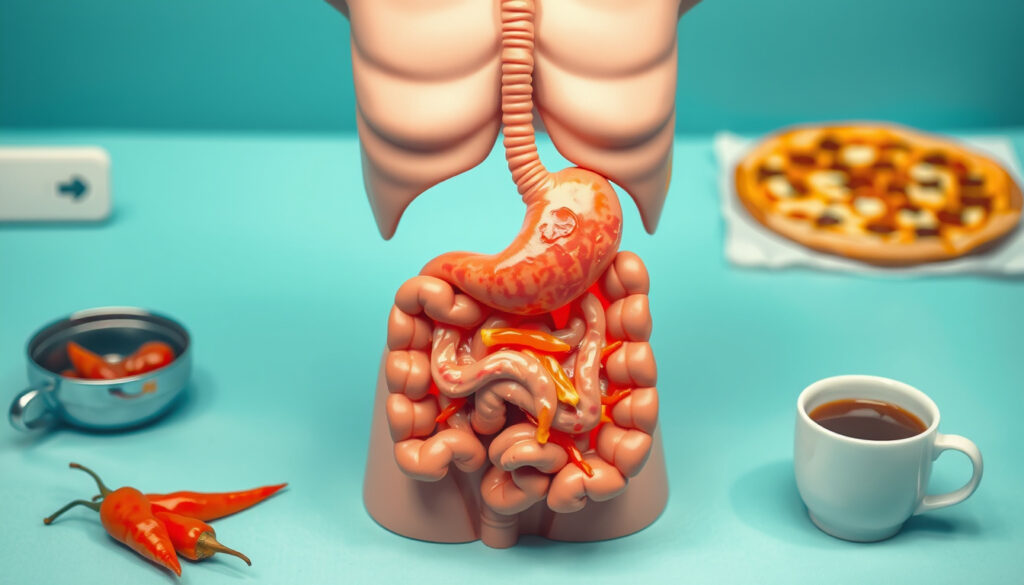
Why Does My Stomach Hurt – Causes, Triggers and When to Worry
Abdominal pain affects millions of people daily, ranging from mild discomfort after eating to severe cramping that disrupts normal routines. Understanding why stomach pain occurs requires examining multiple factors, including digestive conditions, dietary choices, and underlying medical conditions. This guide explores the most common causes of stomach pain, their triggers, and when professional medical attention becomes necessary.
Stomach pain can manifest in various forms—from burning sensations in the upper abdomen to cramping along the lower intestines. The timing and location of pain often provide crucial clues about its origin, whether it strikes immediately upon waking, after meals, or during specific activities like coughing or pressing on the abdomen.
While most cases of stomach pain are not serious and resolve with basic home care, certain symptoms warrant immediate medical evaluation. Recognizing the difference between temporary discomfort and potentially dangerous conditions can prevent complications and guide appropriate treatment decisions.
Why Does My Stomach Hurt When I Wake Up?
Morning abdominal pain is particularly common and often linked to physiological changes that occur during sleep. When the stomach remains empty overnight, acid production continues, potentially irritating the stomach lining and causing discomfort upon waking. Additionally, bowel motility increases in the early morning hours as the digestive system prepares for the day, which can trigger cramping in those with sensitive intestines.
Multiple studies indicate that gastrointestinal conditions like irritable bowel syndrome and inflammatory bowel disease frequently show symptom flares in the morning hours, coinciding with the body’s natural circadian rhythms affecting digestion.
Indigestion, gas buildup, constipation, and irritable bowel syndrome represent the most frequent culprits behind morning stomach pain.
Eating late dinners, consuming caffeine on an empty stomach, stress about upcoming events, and poor sleep quality all contribute to morning discomfort.
Severe pain lasting more than 30 minutes, blood in stool, unexplained weight loss, or fever accompanying morning pain require immediate medical evaluation.
Start with dietary adjustments, stay hydrated, and consider over-the-counter antacids if discomfort is mild and intermittent.
Those experiencing the urge to have a bowel movement immediately upon waking while simultaneously feeling stomach pain may be dealing with irritable bowel syndrome or chronic constipation. The intestines naturally increase activity in the morning, and for individuals with IBS, this heightened motility translates to cramping and discomfort that subsides after evacuation.
Conditions That Worsen in the Morning
Peptic ulcers produce characteristic morning pain that intensifies when the stomach is empty. The burning sensation occurs because stomach acid contacts the ulcerated tissue without food present to buffer the acid’s effects. According to medical sources, many patients report significant relief after eating small meals, though symptoms typically return several hours later.
Inflammatory bowel conditions including Crohn’s disease and ulcerative colitis also demonstrate morning predilection. Inflammation in the digestive tract becomes more active during early daytime hours, causing pain near the belly button or lower right abdomen alongside symptoms like diarrhea, fatigue, and unintended weight loss.
- Morning pain often indicates empty-stomach acid issues or increased bowel motility
- IBS and IBD commonly show symptom peaks during early waking hours
- Peptic ulcers produce burning pain that improves temporarily with eating
- Constipation pain typically emerges as intestines prepare for movement
- Stress and anxiety about daily activities can amplify morning symptoms
- Poor sleep quality correlates with increased gastrointestinal discomfort upon waking
| Trigger | Possible Causes | Typical Severity |
|---|---|---|
| Waking on empty stomach | Acid buildup, ulcers, indigestion | Mild to moderate |
| Post-breakfast pain | Food intolerances, gastritis, IBS | Mild to severe |
| Morning bowel urgency | IBS, constipation, IBD | Mild to moderate |
| Upper abdominal burning | GERD, ulcers, gastritis | Mild to moderate |
| Lower cramping | IBS, PID (females), constipation | Mild to severe |
| Pain with deep breathing | Inflammation, trapped gas, muscle strain | Mild |
Why Does My Stomach Hurt When I Eat?
Post-meal abdominal pain often indicates food-related triggers or underlying digestive conditions that respond to eating. The relationship between food intake and pain varies depending on whether symptoms appear immediately after eating, several hours later, or in response to specific types of food.
Food intolerances and allergies commonly produce pain within minutes to hours of consumption. Lactose intolerance affects a significant portion of the population, causing bloating, cramping, and diarrhea after dairy products reach the intestines. Similarly, gluten sensitivity triggers inflammatory responses in susceptible individuals, resulting in abdominal pain alongside other symptoms.
Timing and Food Types Matter
Heavy, fatty meals take longer to digest and can cause discomfort lasting several hours. Spicy foods irritate the stomach lining in many individuals, while high-fiber foods may cause bloating and cramping in those unaccustomed to fiber-rich diets. Medical experts note that identifying specific food triggers through elimination diets helps many patients manage their symptoms effectively.
Keeping a food and symptom diary helps identify which foods trigger pain. Record everything consumed for two weeks alongside any abdominal symptoms to spot patterns that may not be immediately obvious.
For some conditions, eating actually provides relief—particularly for peptic ulcers, where food temporarily buffers stomach acid against the damaged tissue. However, this pattern of pain improving with meals followed by return of discomfort hours later is a hallmark of ulcer disease rather than other digestive conditions.
Pancreatitis presents differently, with severe upper abdominal pain that typically develops 30 minutes to several hours after eating and may radiate to the back. This condition requires prompt medical attention as it can lead to serious complications if left untreated. Healthline reports that gallstones and excessive alcohol consumption are common pancreatitis triggers.
Why Does My Stomach Hurt in the Middle?
Pain localized to the middle abdomen typically originates from the upper digestive tract, including the stomach, esophagus, and duodenum. This region, clinically referred to as the epigastric area, houses the stomach and represents a common location for conditions like ulcers, gastritis, and acid reflux.
Middle Abdominal Pain Causes
Gastritis—inflammation of the stomach lining—produces persistent burning pain in the upper middle abdomen. This condition often results from prolonged use of anti-inflammatory medications, bacterial infections (particularly H. pylori), or regular consumption of irritating substances like alcohol and spicy foods. The Mayo Clinic notes that gastritis symptoms may be constant or intermittent, worsening either when the stomach is empty or shortly after eating.
Acid reflux disease (GERD) causes burning pain that travels upward from the middle abdomen toward the chest and throat. The discomfort results from stomach acid splashing upward into the esophagus, particularly after large meals or when lying down shortly after eating. This condition often accompanies other symptoms including heartburn, difficulty swallowing, and chronic cough.
Middle abdominal pain radiating to the back, accompanied by vomiting, fever, or inability to pass gas for more than 24 hours requires immediate evaluation. These symptoms may indicate pancreatitis, gallstones, or other conditions requiring urgent intervention.
Left Side Abdominal Pain
Pain specifically affecting the left side of the abdomen often involves the descending colon, spleen, or left kidney. Irritable bowel syndrome commonly produces cramping on the left side, particularly the lower left quadrant, along with bloating and alternation between diarrhea and constipation. Inflammatory bowel disease affecting the sigmoid colon or rectum also concentrates symptoms on the left side.
For females, left-side abdominal pain warrants consideration of pelvic inflammatory disease, which causes lower abdominal discomfort alongside fever, unusual discharge, and painful urination or intercourse. Johns Hopkins Medical experts emphasize that PID requires antibiotic treatment to prevent complications including infertility.
Why Does My Stomach Hurt When I Press on It or Cough?
Pain that intensifies with physical pressure or activities like coughing often indicates inflammation of the abdominal lining or muscular strain. The abdominal wall contains numerous pain-sensitive structures that respond to mechanical stimulation when underlying tissues are irritated or swollen.
Understanding Movement-Related Pain
When coughing or taking deep breaths causes abdominal pain, the diaphragm and intercostal muscles contract repeatedly, transmitting force through the abdominal cavity. Any inflamed organ or irritated tissue beneath the diaphragm responds with pain signals during this mechanical stress. Conditions like hepatitis, pneumonia affecting the lower lungs, or peritonitis all produce this characteristic pattern.
Press-induced pain during physical examination by healthcare providers helps doctors localize the source of discomfort. Point tenderness—the sensation of sharp pain when pressure is applied to a specific spot and then quickly released—suggests localized inflammation such as appendicitis when occurring in the lower right abdomen.
- Pain with coughing indicates diaphragm irritation or underlying lung conditions
- Press sensitivity often reflects inflammation in the digestive tract
- Point tenderness localizes the problem area for diagnosis
- Relief when lying still suggests muscular rather than organ-based pain
- Movement-amplified pain warrants medical evaluation for inflammation
To assess press-related pain at home, lie flat and gently press around the abdomen while breathing normally. Sharp pain in one specific area—especially if accompanied by fever or vomiting—suggests the need for professional evaluation rather than home treatment.
What Causes Stomach Pain for No Reason?
Abdominal pain without an obvious trigger can result from several conditions where discomfort exists despite normal eating patterns, bowel habits, and daily activities. Functional gastrointestinal disorders—conditions where the digestive system appears normal on standard medical tests but nonetheless causes significant symptoms—account for many unexplained pain cases.
Functional and Stress-Related Pain
Irritable bowel syndrome represents the most common functional digestive disorder, affecting between 10 and 15 percent of adults worldwide. The National Institute of Diabetes and Digestive and Kidney Diseases explains that IBS involves abnormal muscle contractions in the intestines, disrupted nerve signals between brain and gut, and heightened pain sensitivity. Despite causing substantial discomfort, IBS does not cause structural damage or increase cancer risk.
Stress and anxiety manifest physically through the gut-brain connection, producing real abdominal pain without underlying disease. The enteric nervous system in the intestines responds to emotional states, causing cramping, nausea, and changes in bowel habits during periods of high stress. Many patients report that their digestive symptoms worsen during work pressures, relationship difficulties, or major life changes.
- Functional disorders like IBS cause real pain despite normal test results
- The gut-brain axis means emotional states directly affect digestion
- Muscle cramps in the abdominal wall can mimic internal organ pain
- Trapped gas causes unexplained bloating and cramping
- Food sensitivities may not correlate obviously with specific foods
Treatment Approaches by Cause
Treatment strategies depend fundamentally on identifying the underlying cause. Dietary modifications form the foundation for most digestive conditions—a low-FODMAP diet helps many IBS patients by reducing fermentable carbohydrates that trigger symptoms. Regular exercise and adequate fiber intake address constipation-related pain, while proton pump inhibitors reduce acid-related discomfort from ulcers and gastritis.
Over-the-counter options include antacids for immediate relief of indigestion and heartburn, laxatives for constipation, and simethicone for gas-related bloating. Prescription medications including anti-spasmodics for IBS, anti-inflammatories for IBD, and antibiotics for bacterial infections like H. pylori address more specific conditions under medical supervision.
When Symptoms Develop and Progress
Understanding the typical timeline of abdominal pain conditions helps patients recognize when they need medical attention. Acute conditions develop suddenly and may resolve quickly, while chronic conditions persist for weeks, months, or longer with potential for periodic flares.
- Onset: Pain begins suddenly or gradually depending on the condition—food poisoning causes rapid onset within hours, while ulcers develop over months
- Pattern establishment: Symptoms establish a predictable pattern within days to weeks, allowing identification of triggers and timing
- Initial response: First interventions—whether dietary changes, rest, or OTC medications—are attempted during the first week
- Medical evaluation: Persistent symptoms beyond two weeks warrant professional diagnosis to identify underlying conditions
- Treatment adjustment: For chronic conditions, treatment plans require adjustment based on symptom response over weeks to months
- Long-term management: Conditions like IBS and IBD require ongoing management strategies rather than cure-focused approaches
What We Know and What Remains Unclear
Medical science has established clear understanding of many abdominal pain causes, though some aspects remain incompletely understood. Distinguishing between established facts and ongoing uncertainty helps patients maintain realistic expectations about diagnosis and treatment.
| Established Information | Remaining Uncertainty |
|---|---|
| Peptic ulcers result from H. pylori infection or NSAID use | Exact mechanisms linking stress to functional GI disorders |
| IBS involves abnormal gut motility and sensitivity | Why IBS develops initially in some individuals |
| Food intolerances cause real digestive symptoms | Complete spectrum of food triggers in individual patients |
| PID requires antibiotic treatment in females | Optimal dietary approaches for IBS symptom reduction |
| IBD involves immune system attacks on the gut | Predictive factors for IBD flare timing |
Health experts consistently emphasize that self-diagnosis carries significant risks. Cleveland Clinic specialists note that conditions like appendicitis, bowel obstruction, and certain infections require prompt surgical or medical intervention that cannot be safely managed at home.
Why Understanding Stomach Pain Matters
Abdominal pain represents one of the most common reasons people seek medical care, yet the digestive system’s complexity means that accurate diagnosis often requires professional evaluation. The variety of potential causes ranges from benign, self-limiting conditions to serious diseases requiring urgent intervention.
Research from healthcare specialists indicates that most morning abdominal pain cases stem from manageable conditions like indigestion, gas, or constipation rather than serious disease. However, patterns that persist beyond several weeks, worsen over time, or include warning signs like bleeding or weight loss warrant medical evaluation regardless of apparent mildness.
Understanding personal triggers and symptom patterns empowers individuals to make informed decisions about when home care suffices and when professional diagnosis becomes necessary. This knowledge also helps patients communicate effectively with healthcare providers, leading to more accurate diagnoses and targeted treatments.
Expert Perspectives on Abdominal Pain
Medical professionals across multiple institutions emphasize the importance of accurate symptom description when seeking care. The location, intensity, timing, and associated symptoms all contribute to narrowing potential diagnoses and determining appropriate testing.
Abdominal pain requires careful attention to its characteristics—severity, location, duration, and what exacerbates or relieves it. These details guide the diagnostic process and help distinguish between conditions that may initially present similarly.
— Mayo Clinic Abdominal Pain Overview
Most abdominal pain episodes resolve with conservative home care including rest, hydration, and avoiding trigger foods. However, certain patterns—persistent pain beyond 48 hours, pain accompanied by fever, or any sign of internal bleeding—demand immediate medical evaluation.
— Cleveland Clinic Gastroenterology Department
Next Steps for Managing Stomach Pain
For episodic mild stomach pain, beginning with simple interventions often provides relief. Staying upright after eating, avoiding late-night meals, reducing intake of known trigger foods, and maintaining adequate hydration represent first-line strategies that address common causes of abdominal discomfort.
When symptoms persist or follow a pattern suggesting an underlying condition, documenting symptoms in a diary provides valuable information for healthcare providers. Recording pain intensity on a scale, timing relative to meals and activities, bowel habits, stress levels, and any accompanying symptoms helps identify triggers and patterns that may not be apparent from memory alone.
Those experiencing recurrent morning pain, pain that disrupts sleep, unexplained weight changes, or any warning signs should schedule medical evaluation. For patients with pre-existing digestive conditions, regular follow-up with specialists ensures treatment effectiveness and timely adjustment of management strategies.
What are the different types of stomach pain females experience?
Women may experience menstrual-related cramping, pelvic inflammatory disease pain (lower abdomen with fever and discharge), ovulation pain, endometriosis discomfort, and pregnancy-related abdominal sensations. Each type presents distinct characteristics requiring different management approaches.
Why do stomach aches hurt so severely sometimes?
The digestive tract contains an extensive network of nerves that can amplify pain signals. Additionally, inflammation, gas distension, and muscle contractions create mechanical stimulation of these sensitive tissues, resulting in disproportionate discomfort relative to the underlying cause.
What causes muscle cramps in the stomach?
Abdominal muscle cramps result from dehydration, electrolyte imbalances, overexertion, stress, constipation, gas buildup, or underlying digestive conditions like IBS. The muscles contract involuntarily, creating painful spasms that may last seconds to minutes.
How can I differentiate between serious and non-serious stomach pain?
Serious pain typically involves severe intensity, pain radiating to other areas, accompanying fever or vomiting, blood in stool or vomit, or symptoms that progressively worsen. Mild pain usually responds to position changes, OTC medications, or rest.
When should I see a doctor about morning stomach pain?
Seek medical care if morning pain persists beyond two weeks, wakes you from sleep, includes unexplained weight loss, involves blood in stool, causes persistent nausea or vomiting, or significantly interferes with daily activities despite dietary adjustments.
More related posts
 ICC Cricket Live Today – Latest Scores and Updates
 Am I Gay Quiz: Honest Guide & Best Free Tests
 How to Get Rid of a Yeast Infection in 24 Hours: Fast Relief Guide
 Lion City Sailors vs Hougang United: Preview & Stats
 Singapore National Stadium Capacity: 55,000 Seats Guide
 The Rookie Season 7: Release, Renewal & Where to Watch
 Singapore Dollar to LKR: Rate, Tips & Salary Guide
 Lecturer Jobs in Singapore: Salary, Requirements & Demand
